

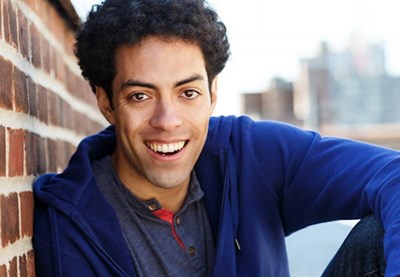
"Fouhey is an utterly compelling narrator... he has so many voices to work with"




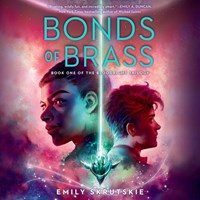
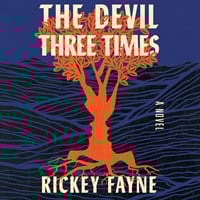
Recent audiobooks


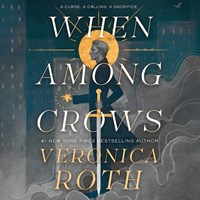
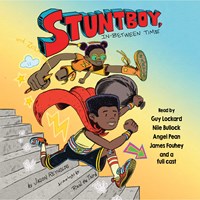


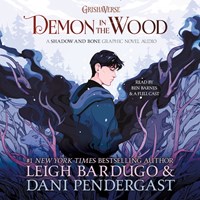











James’s Accolades
When Among Crows AudioFile Best of 2024 Science Fiction & Fantasy
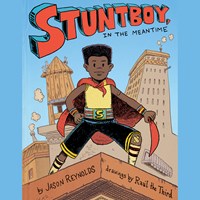
Stuntboy, In-between Time AudioFile Best of 2023 Children
Demon in the Wood Audie Award 2023 Young Adult
Stuntboy, in the Meantime Audie Award 2023 Middle Grade
Heresy Audie Award 2022 Multi-Voiced Performance
Stuntboy, in the Meantime AudioFile Best of 2021 Children & Family Listening
Podcasts
Talking with James Fouhey
If you have children or are a science fiction fan, then you’ve likely listened to audiobooks performed by James Fouhey, today’s Take 5 narrator. Of course, James has narrated titles from a variety of genres, but he has many young fans who will recognize his voice from the Pete the Cat books, the Rappy the Raptor series, and other audiobooks for kids. One of James’s skills is adapting his performance to his audience, using a variety of voices and an animated delivery for children’s audiobooks and taking a more measured and nuanced approach for older listeners. I appreciate the way he distinguishes between a character’s inner thoughts and dialogue in fiction and between narrative text and quotations in nonfiction, making it easy for me to stay on track. Many of us are familiar with James Fouhey’s voice, but you might not know much about who he is in real life. I’m grateful that he took some time out of his busy schedule to answer my questions, so we can learn more about him.
AudioFile: What is the one thing you wish you knew before you recorded your first book?
James Fouhey: I pride myself on being efficient, and I always want the people in production and post-production to feel that I was prepared and that I value their time. Even so, I wish I’d known when starting out that it really is okay if you need several takes to get something right. It’s part of the process, and it’s good to care! The audience or critic who ends up listening to your narration is never going to ask, “How efficient was this narrator’s use of studio time?”
AF: What genre will you always say yes to and why?
JF: I’m always going to say yes to high fantasy novels. They’ve been my favorite kind of book since I was a kid. In my teens I re-read THE HOBBIT and THE LORD OF THE RINGS every year. Having a profession where I sometimes get to be transported into magical worlds and then help share them with other people feels like I’ve gamed the system. Little me would be thrilled.
AF: What are you doing when you’re not working?
JF: Looking back, it’s surprising that it didn't happen sooner, but in the last year Dungeons & Dragons has become my favorite hobby. As a DM (dungeon master) I get to prepare a world of magic for my friends and then improv with them to see where the narrative goes. Adventuring parties tend to become their own little family, in and out of the game. It’s a chance to play and perform a story that can be both frivolous and meaningful, and is also just for us! I love trying out new character voices in a pressure-free game session and then realizing I can use them later for a book. I’m still a big fan of video games too, as a way to have fun by myself or to connect with friends without the work that goes into DnD.
AF: What are the pros and cons of recording a series?
JF: I love seeing “Book 1” in a new project title. Ideally, it means that I get to start a long-term relationship with these characters. My favorite thing about fiction is the empathy that it can build between the reader and fictional people who are different from them. In my experience, that happens in a more intimate way for an actor portraying the characters. It’s like there’s another part of myself that’s just hanging out in my mind’s waiting room, waiting for the next sequel. There are series in which I’ve narrated a particular character, in the first person, for a dozen books. That’s hundreds of hours in the studio spent speaking as this fictional person. Sometimes over the course of years of my life. Outside of audiobooks, it’s a pretty rare thing for an actor to get to experience. The downside of recording a series is the work that it takes to keep all of the smaller characters and their voices straight. I have folders on my computer filled with characters that have come up only once or twice over the course of five or more books. Sequels often pick up right where the last one left off, but in real life, it can be years between the books. Even recurring central characters can require more preparation if the last time I performed them was four years ago.
AF: What’s the first task you tackle when given a new audiobook project?
JF: When I first read a book that I’m going to narrate, I try not to let my notes interrupt the flow of the book. As much as possible, I want to enjoy it as any other reader would. That helps with my first task afterward, which is to ask a few big questions: What do I enjoy most about this book? What’s most special or unique about it? Who is it for/who will I be reading this to? Why is it important/exciting to share this story with them? Why should I be one of the people sharing it? If I’m going to spend hours in the middle of the relationship between the author and the listener, I need to have a grounded sense of why I’m there and the purpose I’m serving. That understanding motivates and gives energy to the recording process. It makes recording more fun, more meaningful, and makes performance choices easier, too. It feels great to picture someone who needs and wants the story I’m about to tell and think to myself, “Have I got a story for you!”
Thanks so much for answering my questions, James. I think it’s kind of cool that gaming has helped you professionally. And I love the questions you ask yourself as you prepare a new project. Your concern for your audience shines in your work. — Candace Levy
[April 21,2021]
©AudioFile 2021, Portland, Maine
Photo by Jeremy Folmer