


“These stories have such importance and meaningful life lessons. Kids need to hear these.”

Recent audiobooks


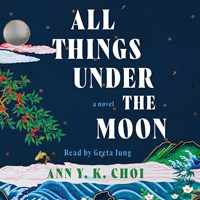


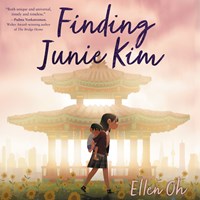
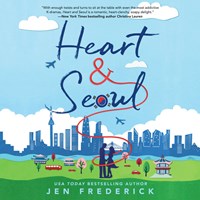
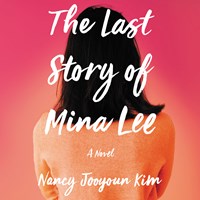
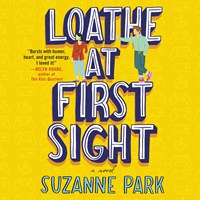
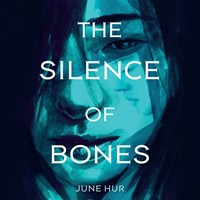
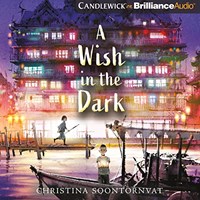

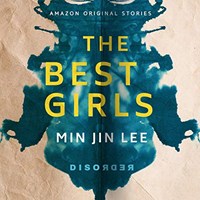

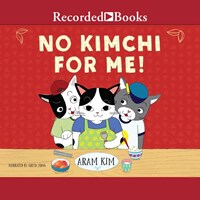








Greta's Accolades
Podcasts
Talking with Greta Jung
Greta Jung narrates across an array of genres, but her enthusiasm about creating audiobooks for young listeners is unmistakable.
“I love doing books for kids, especially! The voices, the themes!” In particular, she enjoys the abundant creativity that such work offers. “With a kids’ book, narrating feels a little more freeing. It can be approached with a sense of fun and playfulness, and I want to give that experience to kids.”
With this younger audience, Jung appreciates that she has more flexibility to experiment with voices--more even than with adult fiction or fantasy. What might seem “too charactery or cartoony in another genre is just right for kids’ books--and makes the narration more engaging.”
Jung volunteers for Young Storytellers, an organization that pairs student writers with mentors who help students draft stories that are then performed by professional actors. Her work with them has yielded many insights on how best to engage this audience. Performing such works connects her to young listeners in a way that offers vivid reminders of who that audience is, what children need: “This is the age of the kids listening; here’s what they react to. It helps me remember I need to exaggerate! Make it playful and fun! We forget how we were as children, what we loved.”
Jung also points out that narrating for young listeners has a serious side. “These stories have such importance and meaningful life lessons. Kids need to hear these.”
Her narration of the Newbery Winner WHEN YOU TRAP A TIGER, for example, perfectly illustrates how children’s stories address a wealth of important issues. “That book deals with grief, death, family, love, and intergenerational misunderstandings. I love narrating kids’ stories because I want to be a part of helping kids navigate those themes. That book is beautiful. The central character tries to save her grandma by living out a fable. How she intertwines the reality of what’s happening with her imagination is just beautifully told.”
And, Jung adds, deeply moving. “I loved recording that book. I cried several times, and my director was so kind to me! I was embarrassed, but he’d say, ‘Take your time.’”
In recent years, the audiobook industry has made an effort toward diversity initiatives, and Jung agrees that things are “definitely moving in the right direction. The trend is toward audiobooks trying to be more authentic with narrators.” She recalls drawing on her Korean-American background to interpret expressions unique to the Korean-American experience, in particular, “what my family calls ‘Konglish!’”
“Getting it right is really important,” Jung says, “and listeners can hear it when you do. It’s a really positive trend--and beneficial for everyone.”—Jessie C. Grearson
[APRIL/MAY 2021]
©AudioFile 2021, Portland, Maine
Photo by Peter Konerko